-

-
-
En
-

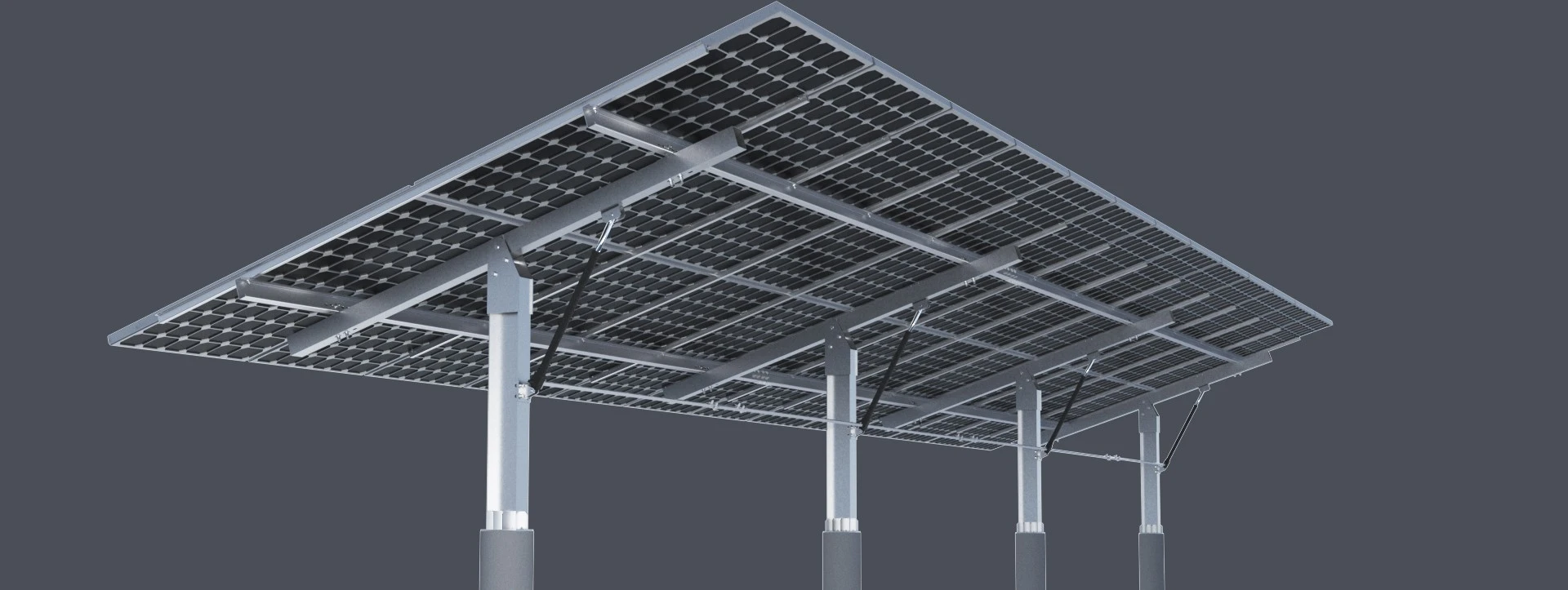
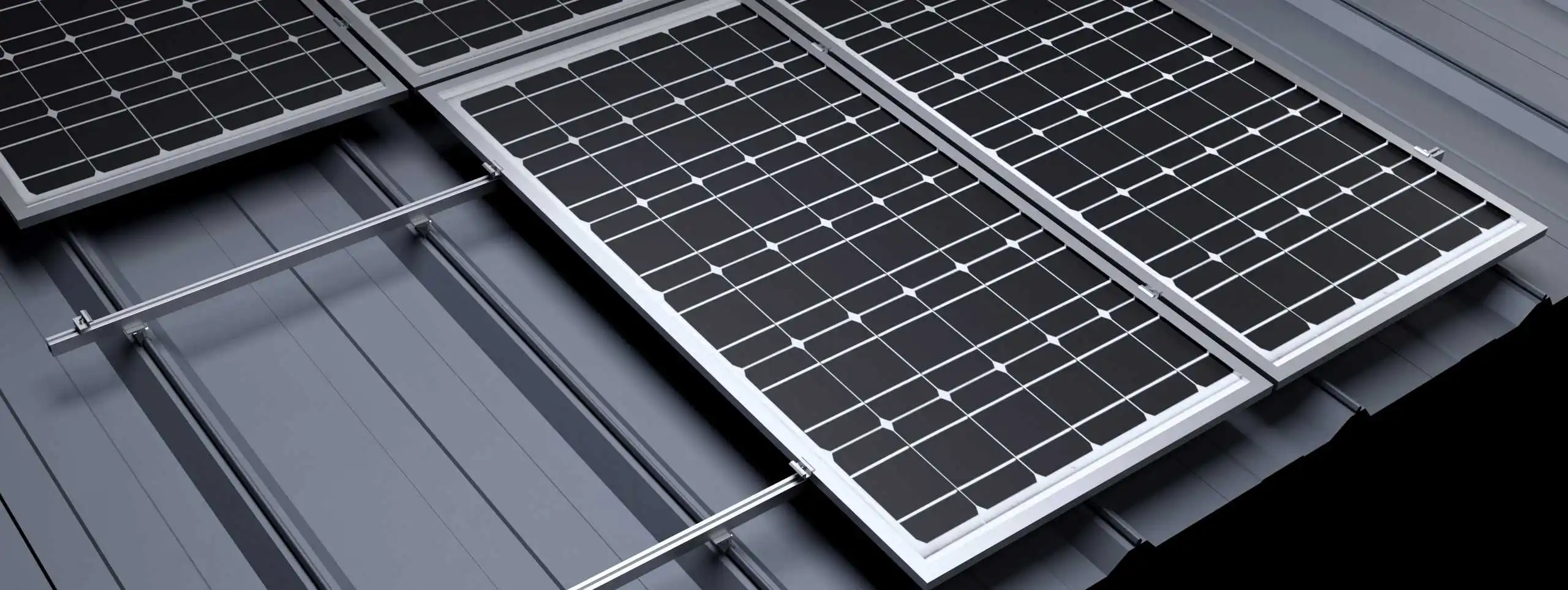
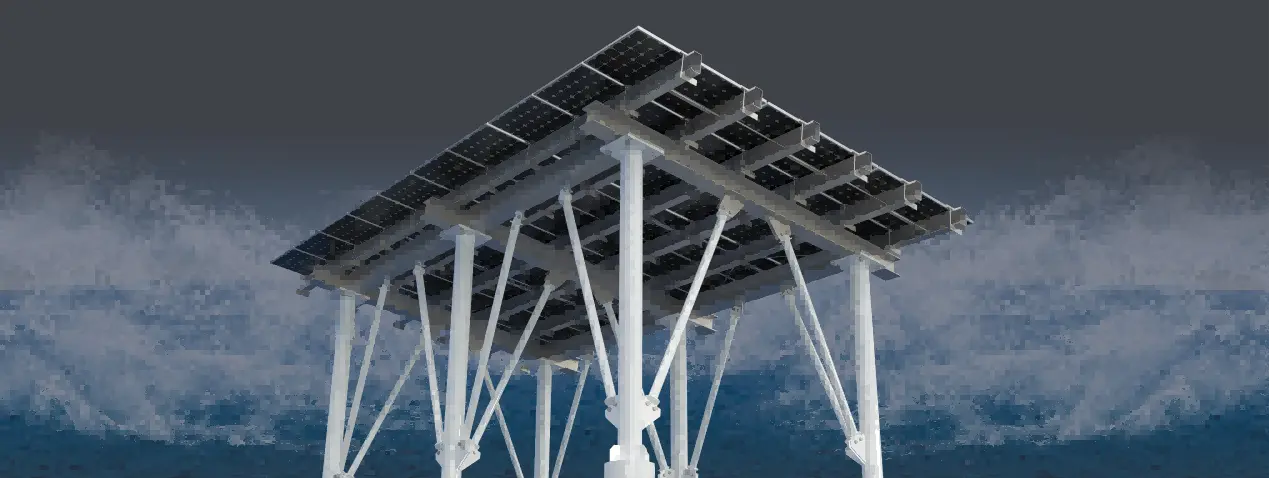
PV mounting systems are supporting structures designed for the placement, installation, and fixation of PV modules within a PV system. The selection of an appropriate PV mounting system directly affects the power generation output, land-use cost, and overall construction cost of a PV power plant, thereby influencing the economic performance of the PV system.
① Fixed Tilt Solar Racking Systems:
The tilt angle of the modules remains constant. These fixed tilt racking systems feature a simple structure and relatively low cost, and are suitable for most ground-mounted power plants and rooftop projects.
② Adjustable Mounting Systems:
The tilt angle can be adjusted manually or mechanically to improve seasonal energy yield. However, the cost is relatively higher.
③ Solar Single-Axis Tracking Systems:
The modules rotate around a single axis to follow the sun, typically with east–west tracking. Compared with fixed systems, power generation can be increased by approximately 10%–20%.
④ Dual-Axis Tracking Systems:
The modules rotate around two axes simultaneously to fully track the sun's trajectory. These systems provide the greatest increase in energy yield but involve high costs and are suitable for projects with high efficiency requirements.
The installation angle of PV modules has a direct impact on power generation efficiency and is generally determined based on the local latitude.
Regions with latitude above 35°:
Due to lower solar incidence angles, larger tilt angles should be adopted, using fixed or adjustable mounting systems to maximize winter power generation efficiency.
Regions with latitude below 35°:
The sun's elevation angle is relatively high throughout the year, making smaller tilt angles suitable. Single-axis or dual-axis tracking systems may be considered to fully utilize strong solar resources.
Load Calculation:
Wind loads, snow loads, seismic loads, and other actions should be reasonably designed according to local climatic conditions.
Material Selection:
Common materials include galvanized steel, aluminum alloy, and stainless steel, with due consideration given to corrosion resistance and cost-effectiveness.
Connection Methods:
Bolted connections, welding, or clamping systems should ensure adequate structural strength and ease of installation.
Foundation Adaptation:
Appropriate foundation types should be selected based on geological conditions to ensure long-term stability.
The foundation of the mounting system should be designed based on bearing capacity calculations and stability checks. The foundation type should be comprehensively determined by considering the mounting structure and load characteristics, soil properties and groundwater conditions, feasibility of construction techniques, site conditions and construction season, the principle of minimizing earth excavation and reducing damage to natural landforms and vegetation, stratigraphic distribution and physical–mechanical properties of soil layers, corrosiveness of soil and water to reinforced concrete and steel structures, frost depth and frost heave classification, as well as economic indicators, environmental performance, and construction schedule.
Common foundation types include:
① Concrete Foundations:
Suitable for soft soil conditions and permanent PV power plants. Although the construction period is relatively long, they provide high stability.
② Screw Pile (Helical Pile) Foundations:
Suitable for loose or soft soil areas. They are easy to install, offer stable load-bearing performance, and can significantly reduce earthwork quantities.
CNTSUN specializes in the design and manufacture of photovoltaic mounting systems, offering a comprehensive range of fixed and tracking solar racking solutions to meet diverse project requirements. CNTSUN solar racking systems are engineered for superior performance and high reliability, ensuring long-term durability and stable operation under various environmental conditions.
Among professional solar racking system manufacturers, CNTSUN delivers competitive pricing without compromising on product quality, making it a preferred choice for customers seeking cost-effective and efficient solar mounting and tracking solutions. With three production bases and an annual production capacity exceeding 10 GW, supported by more than a decade of industry experience and in-house self-driving laboratories, CNTSUN consistently ensures excellent quality, strong delivery capability, and high cost performance. For safe, reliable, and durable solar mounting systems, CNTSUN is your trusted first choice.

 CN
CN JP
JP