-

-
-
En
-

Traditional solar mounting often requires penetrating your roof, leaving homeowners anxious about leaks, structural damage, and long-term wear. But what if there was a way to harness solar power without a single hole? Enter standing seam roof solar mount, a sleek, clamp-based system designed specifically for metal roofs. Unlike conventional racks, it grips the vertical seams securely—no drilling, no sealing, and no compromises.
Standing seam solar mounts can eliminate roof leaks by using non-penetrating clamps that attach directly to the raised seams of metal roofing. This method preserves roof integrity, speeds up installation, and reduces maintenance risks—making it ideal for those who want solar power without structural worries.
But how exactly does it work, and what makes it the go-to choice for homeowners and installers alike? Below, we dive deeper into why this system stands out, how it compares to alternatives, and what to consider before making the switch.
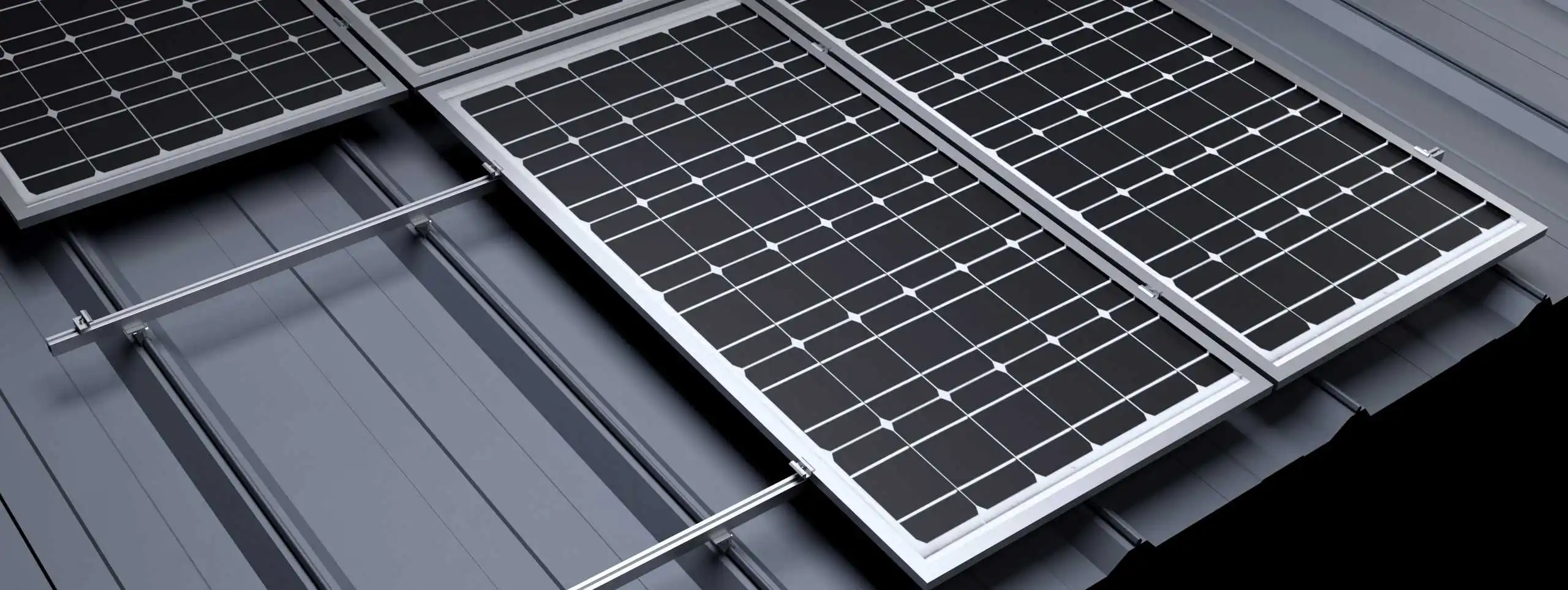
Unlike traditional racking that drills into the roof, standing seam roof solar mount clamps onto raised seams, leaving the roofing material untouched. This eliminates the need for sealants or flashing, which can degrade over time and cause leaks.
Since no holes are made, there’s no risk of water seepage, rust, or wood rot—problems that often plague penetrating mounts. The clamps distribute weight evenly, reducing stress concentrations that could weaken the roof’s structure.
Installers favor this method because it minimizes liability; no punctures mean no warranty concerns from roof manufacturers. Homeowners benefit too, as their roofs remain intact while still generating clean energy.
While traditional mounts rely on bolts and washers prone to loosening, standing seam clamps stay secure through extreme weather, ensuring long-term stability. Given its leak-proof advantages, it’s no surprise this system is gaining popularity for metal roof solar projects.
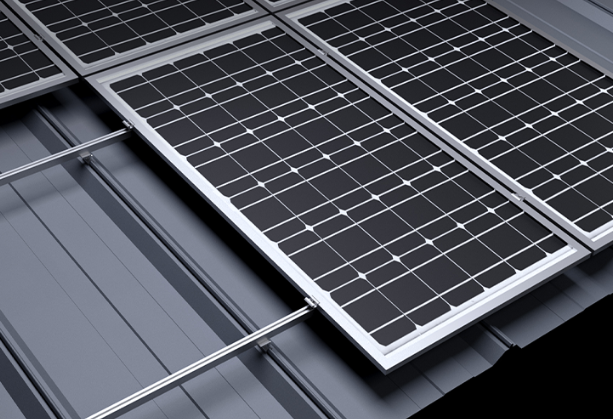
Though conventional systems may seem cheaper upfront, solar racking for standing seam roof proves cost-effective over time by preventing expensive roof repairs.
Installation is faster—since no drilling or sealing is required, crews can complete projects in less time, reducing labor costs. The modular design also allows for easy adjustments if panels need repositioning later.
Being non-penetrating, it maintains the roof’s weather resistance rather than creating potential weak points. Some manufacturers even approve the system without voiding roofing warranties, an advantage few alternatives offer.
Durability is another major perk; high-grade aluminum or steel clamps resist corrosion better than standard mounting hardware. This ensures a longer lifespan, even in coastal or high-humidity regions.
For those hesitant about roof modifications, standing seam mounting provides peace of mind—strong enough to handle heavy snow and wind, yet gentle enough to keep the roof leak-free for decades.
To understand why standing seam mounting outperforms conventional methods, let’s break down the key differences:
| Feature | Standing Seam Mounting | Traditional Penetrating Mounts |
|---|---|---|
| Roof Integrity | No holes, no leaks | Requires sealing, potential leaks |
| Installation Speed | Faster (no drilling) | Slower (punctures + sealing) |
| Roof Warranty | Often remains valid | Risk of voiding warranties |
| Maintenance | Minimal, no rust risk | Sealants degrade over time |
| Weather Resistance | Excellent wind/snow load | Vulnerable to loosening |
Unlike traditional setups needing constant maintenance, standing seam systems stay secure with minimal upkeep. The absence of penetrations also means fewer thermal expansion issues, preventing cracks or fastener failures.
While traditional mounts may seem simpler at first glance, they carry hidden risks—leaks, warranty voids, and frequent resealing. That’s why many homeowners are now turning to this cleaner, more reliable alternative.
Not all metal roofs have raised seams, so verify if your roof meets the structural requirements. Flat-seam or corrugated metal roofing may need adapters or alternative solutions.
Even though standing seam roof solar mount is robust, some roofs may require reinforcement for heavy snow or extreme winds. A professional assessment helps avoid unexpected issues.
Non-penetrating systems might have a higher initial cost, but their durability and reduced maintenance can lead to savings over time. Weighing upfront expenses versus lifetime benefits is crucial.
Since the clamping mechanism is specialized, choosing an experienced installer ensures proper attachment. Incorrect installation, though rare, could still risk slippage or seam damage.
Were it not for these considerations, every metal roof would already use standing seam mounting—but with careful planning, it remains the safest, smartest choice for leak-free solar.
Ultimately, if avoiding roof leaks is a priority, standing seam roof solar mount delivers confidence where traditional methods fall short. By embracing this innovative approach, homeowners gain solar power without sacrificing their roof’s longevity—proving that clean energy and peace of mind can go hand in hand.

 CN
CN JP
JP