-

-
-
En
-

In 2026, residential solar adoption continues to grow steadily as homeowners look for long-term ways to reduce electricity costs and improve energy independence. According to the U.S. Department of Energy, solar photovoltaic (PV) systems remain one of the fastest-growing renewable energy solutions worldwide due to declining installation costs and improved system efficiency over the past decade.
However, for most homeowners, the decision is no longer whether to install solar panels—but where to install them.
The two most common options are rooftop solar systems and ground-mounted solar systems. Each approach has distinct advantages depending on available space, budget, roof condition, and long-term energy goals.
This article provides a practical comparison of solar panels on roof vs ground installations, helping homeowners make a more informed decision based on real-world performance factors.
Rooftop solar systems are installed directly onto existing building roofs, making use of unused vertical space. They are widely used in residential projects due to their efficiency in land use.
Ground-mounted systems, on the other hand, are installed on open land using dedicated support structures. They offer greater flexibility in system size, orientation, and maintenance access.
Both systems rely on similar photovoltaic technology, but their structural design and installation environments significantly affect performance and long-term usability.
Rooftop systems are often preferred in urban environments where land is limited. They allow homeowners to generate electricity without sacrificing yard space.
Ground-mounted systems require available land but provide more flexibility for expansion and layout optimization.
Factor | Rooftop Solar | Ground-Mounted Solar |
Space Requirement | Uses existing roof | Requires open land |
Expansion Potential | Limited by roof area | Highly scalable |
Installation Flexibility | Restricted by roof design | High flexibility |
Maintenance Access | Difficult | Easy |
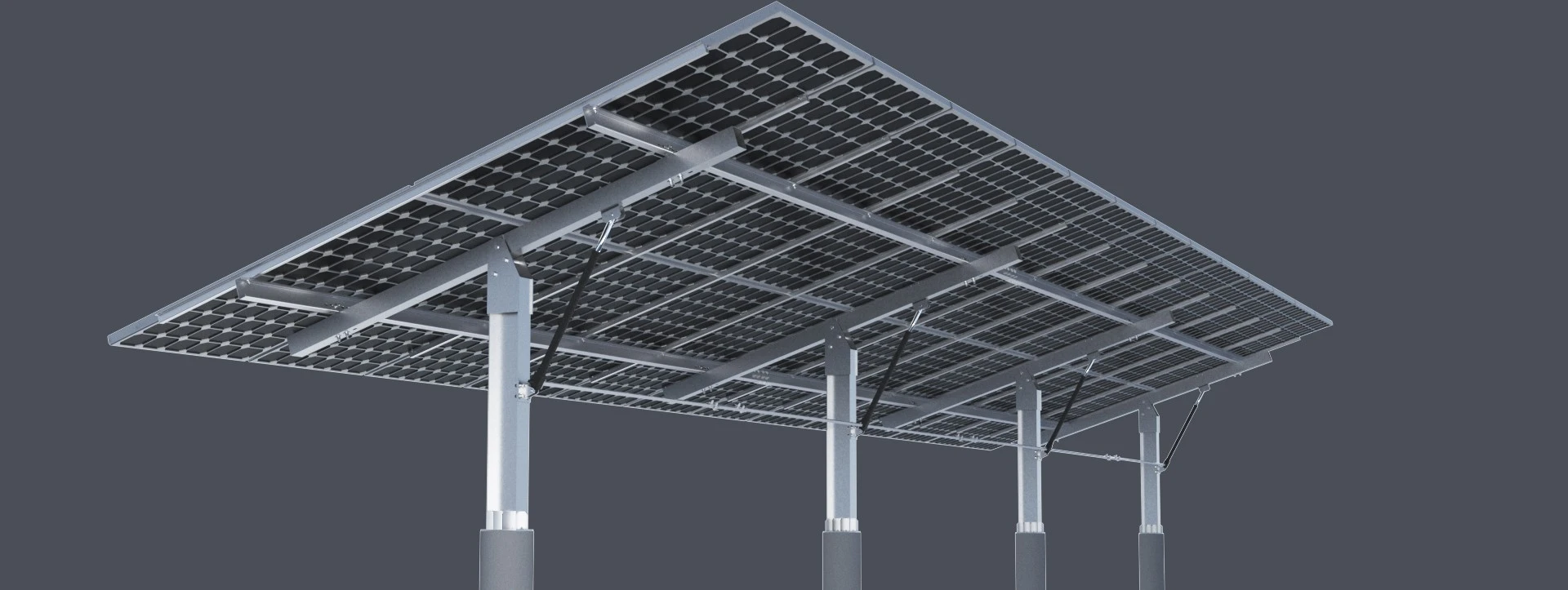
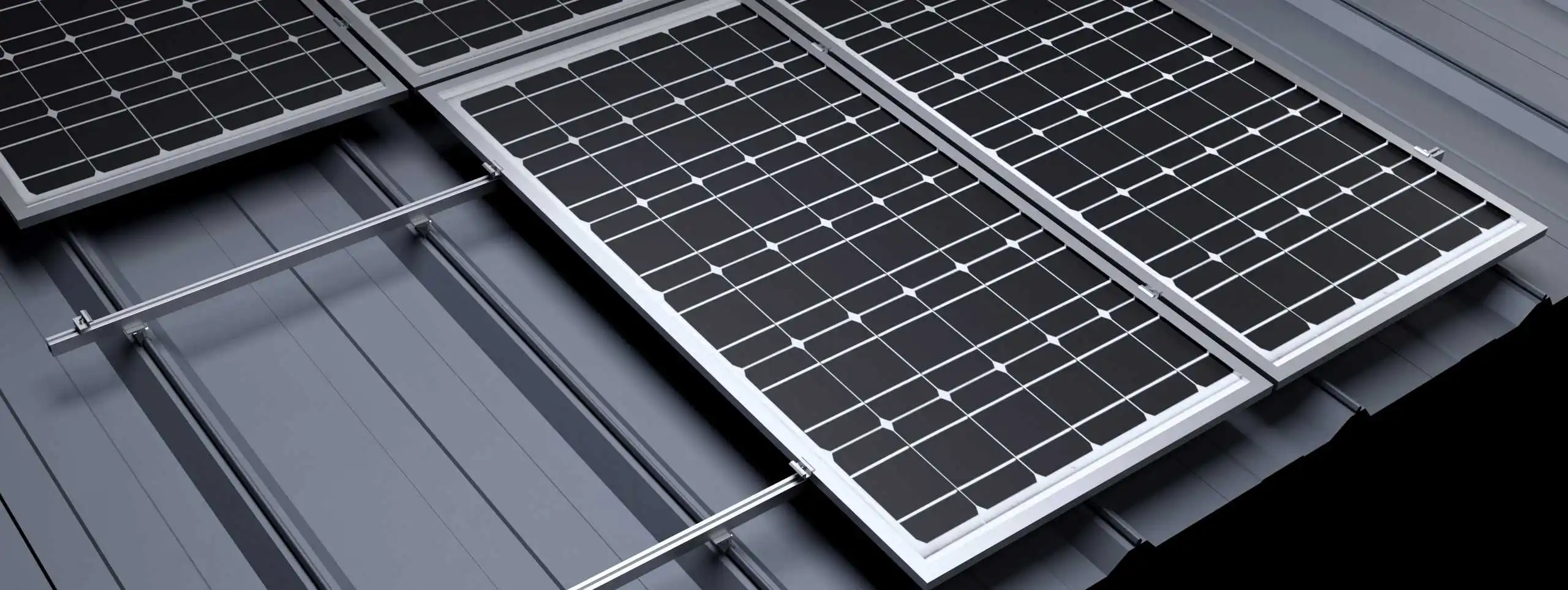
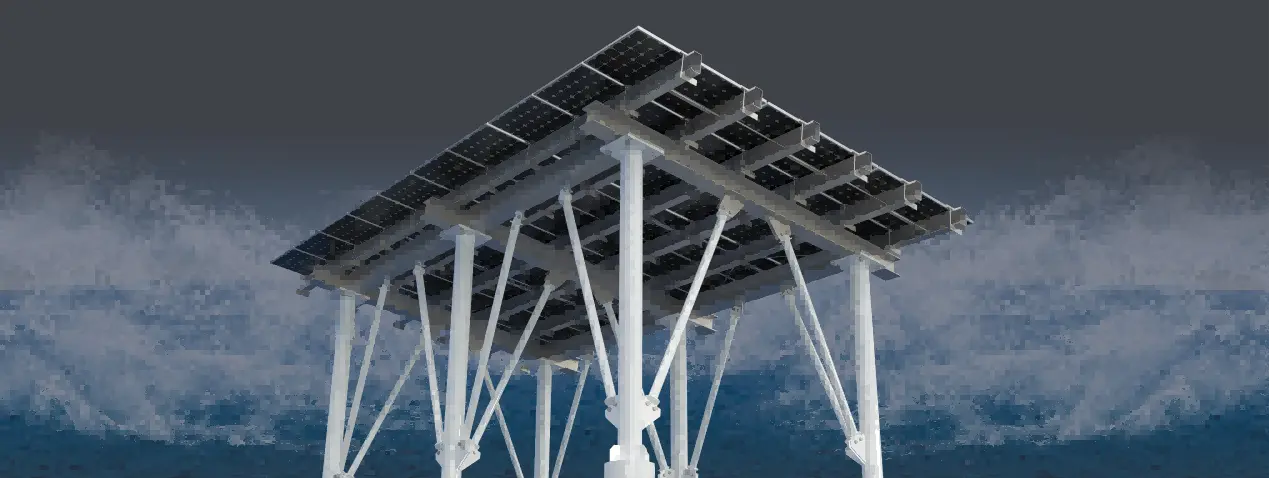
CNTsun’s SkyRoof mounting system is designed to support residential roof structures with minimal roof penetration, helping reduce potential waterproofing concerns. Meanwhile, SkyLand is engineered for stable ground installation, making it suitable for larger residential or semi-commercial solar projects.
When evaluating roof vs ground solar panels, energy output becomes one of the most important considerations.
Ground-mounted systems allow installers to freely adjust tilt angles and orientation to maximize solar exposure throughout the year. In contrast, rooftop systems are constrained by roof slope, direction, and shading from surrounding structures.
In this context, advanced tracking technologies can further enhance performance. For example, a horizontal solar tracker allows solar panels to follow the sun’s movement during the day, improving energy yield compared to fixed installations. According to the National Renewable Energy Laboratory (NREL), solar tracking systems can increase energy production by approximately 10% to 25% depending on geographic location and system design.
Rooftop systems are typically fixed and may experience efficiency loss due to suboptimal angles or seasonal sun variation.
Solar mounting structures play a critical role in system durability and long-term reliability. Different environments require different engineering approaches.
A fixed tilt ground mount solar system is one of the most widely used configurations for residential and small commercial ground installations. It provides a stable structure with an optimized tilt angle based on local latitude, balancing cost and performance.
In contrast, rooftop installations often rely on lightweight rail-based structures designed to distribute load evenly across roof surfaces. This is where solutions such as a solar panel mounting on flat roof system become important, especially for buildings with low-slope or commercial-style roofing.
CNTsun’s SkyRoof system focuses on adaptable roof compatibility, while SkyLand ground mounting solutions are designed for stability, corrosion resistance, and long-term structural performance in outdoor environments.
Cost is often a deciding factor for homeowners evaluating solar installation options. While rooftop systems generally require lower upfront infrastructure investment, ground-mounted systems may offer better long-term energy output and easier maintenance.
Cost Factor | Rooftop System | Ground-Mounted System |
Initial Installation Cost | Lower | Higher |
Structural Requirements | Roof dependent | Ground foundation required |
Maintenance Cost | Moderate to high | Lower |
Energy Output Potential | Medium | Higher |
ROI Timeline | Medium-term | Long-term advantage |
According to the U.S. Department of Energy, solar system costs have declined significantly over the past decade, making both installation types more financially accessible. However, system design efficiency remains a key driver of lifetime return on investment (ROI), not just upfront cost.
Maintenance accessibility is another important factor that often influences long-term system performance.
Rooftop systems typically require roof access for cleaning, inspection, and repairs, which may involve safety risks and additional labor costs. Additionally, roof-mounted systems may require coordination with roofing maintenance schedules.
Ground-mounted systems, by contrast, are easier to access, allowing faster inspection and cleaning without specialized safety equipment. However, they may require periodic vegetation management depending on installation environment.
CNTsun’s SkyRoof system is designed to minimize roof penetration and reduce long-term maintenance impact on building structures, while SkyLand systems prioritize accessibility and structural durability for outdoor conditions.
Choosing between rooftop and ground-mounted solar systems ultimately depends on site conditions and energy goals.
Rooftop solar is best for:
· Urban residential homes with limited land
· New or structurally sound roofs
· Users seeking lower upfront installation complexity
Ground-mounted solar is best for:
· Rural properties with available land
· Homeowners aiming for maximum energy output
· Long-term energy investment optimization
For advanced energy optimization projects, system design may also integrate tracking technology or hybrid layouts combining multiple mounting strategies.
There is no universally “better” option between rooftop and ground-mounted solar systems. Rooftop systems are efficient for space-limited homes and lower initial costs, while ground-mounted systems offer superior flexibility, scalability, and long-term energy optimization. The best choice depends on land availability, budget, and energy goals. For most homeowners, selecting the right mounting system is more important than the panels themselves, as structural design directly impacts lifetime performance and return on investment.
1. Are ground-mounted solar systems more efficient than rooftop systems?
In many cases, yes. Ground systems allow better tilt and orientation control, improving solar exposure.
2. Do rooftop solar systems damage the roof?
Modern mounting systems are designed to minimize roof penetration, but proper installation is critical to avoid long-term issues.
3. Is maintenance easier for ground-mounted solar?
Yes. Ground systems provide easier access for cleaning and inspection without roof safety risks.
4. Can I expand my solar system later?
Ground-mounted systems generally offer more flexibility for future expansion compared to rooftop systems.
5. Which system has a faster ROI?
Rooftop systems often have lower upfront cost, but ground systems may deliver better long-term ROI due to higher energy output.
1. U.S. Department of Energy – Solar Photovoltaic Technology Basics
https://www.energy.gov/eere/solar/solar-photovoltaic-technology-basics
2. National Renewable Energy Laboratory (NREL) – Solar Research Overview
https://www.nrel.gov/solar/
3. Wikipedia – Solar Panel
https://en.wikipedia.org/wiki/Solar_panel
4. Wikipedia – Solar Tracker
https://en.wikipedia.org/wiki/Solar_tracker
5. Wikipedia – Photovoltaic Mounting System
https://en.wikipedia.org/wiki/Photovoltaic_mounting_system

 CN
CN JP
JP