-

-
-
En
-

Selecting the right solar racking manufacturers is one of the most critical decisions for EPC contractors and project developers. While solar modules often receive most of the attention, mounting systems determine the structural safety, long-term reliability, and overall energy performance of a photovoltaic project.
According to the U.S. Department of Energy, system design and installation quality can significantly influence lifetime solar system performance, making structural engineering and supplier selection a core part of project risk management.
For EPC contractors, the challenge is not only choosing a supplier, but ensuring the manufacturer can deliver consistent engineering quality, certification compliance, and project scalability across different environments.
This checklist provides a structured 10-point framework to evaluate solar racking suppliers for utility, commercial, and residential-scale projects.
A qualified solar racking manufacturer must demonstrate strong engineering capabilities, including wind load calculation, snow load analysis, and terrain adaptability.
Modern solar projects require systems that can withstand extreme environmental conditions while maintaining long-term structural integrity.
Engineering Factor | Why It Matters |
Wind load design | Prevents structural failure |
Snow load analysis | Ensures winter safety |
Terrain adaptability | Enables diverse installations |
Simulation capability | Reduces design risk |
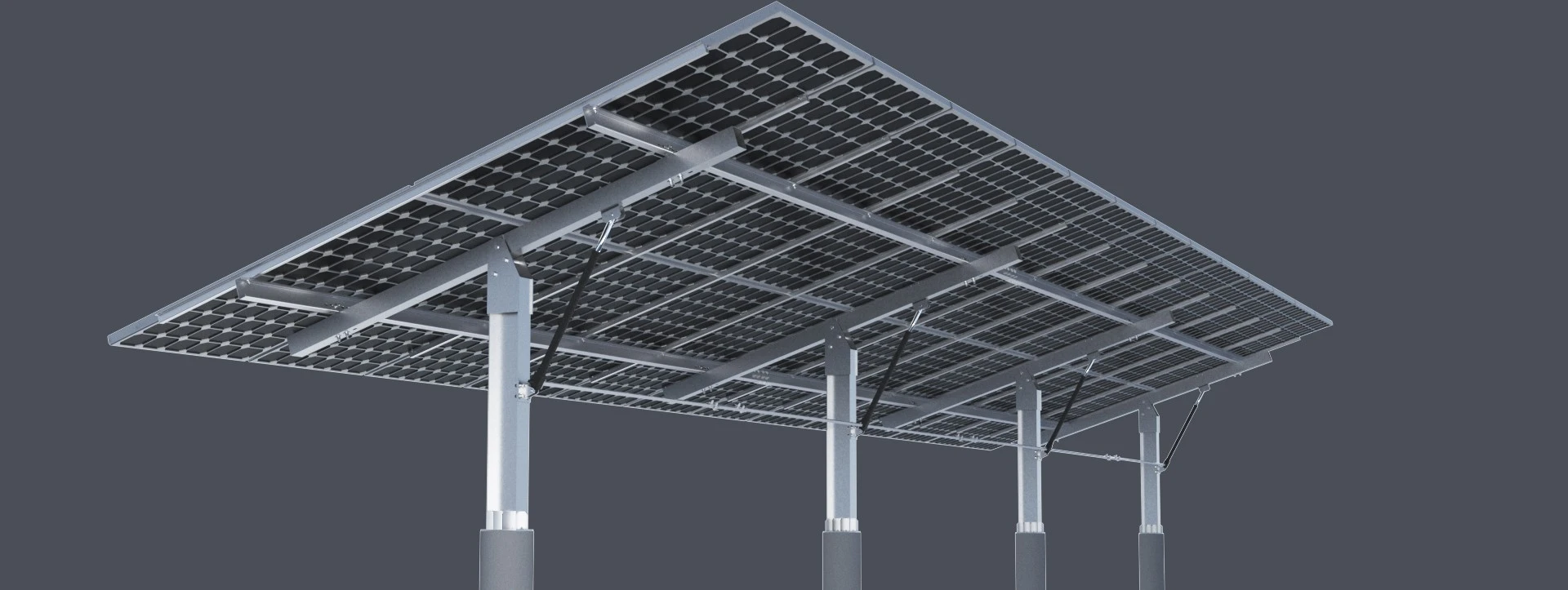
CNTsun’s SkyLand ground mounting system and SkyRoof rooftop solution are designed based on structural optimization principles, ensuring stability across different installation environments.
Certifications are one of the most important indicators of manufacturer credibility. They validate product safety, quality consistency, and international market readiness.
Certification | Meaning | Market Relevance | Importance |
ISO 9001 | Quality management system | Global | Ensures production consistency |
TÜV | Product safety & performance | EU / Global | Engineering validation |
UL 2703 | Electrical grounding safety | United States | Fire & electrical compliance |
CE | European compliance | EU | Market entry requirement |
SGS | Material testing & inspection | Global | Third-party verification |
CNTsun is certified by TÜV, CE, and SGS, demonstrating compliance with international engineering and safety standards. This ensures its systems can be deployed across multiple global markets with regulatory confidence.
Production scale is a key factor in evaluating whether a supplier can support large EPC projects.
Manufacturers must demonstrate:
· Stable production capacity
· Supply chain resilience
· Raw material availability
· On-time delivery performance
For large-scale solar farms, delays in structural components can directly impact project commissioning timelines and financial returns.
Solar racking systems must operate in harsh outdoor environments for 20–30 years.
Key durability factors include:
· Corrosion resistance (galvanization or aluminum alloys)
· Salt spray performance
· Wind tunnel validation
· Structural fatigue resistance
CNTsun systems are designed with long-term durability in mind, including tested structural frameworks suitable for high-wind and high-moisture environments.
Not all solar projects follow standard layouts. EPC contractors often require customized solutions for:
· Complex terrain
· Coastal environments
· High wind zones
· Large utility-scale installations
For example, systems like adjustable solar panel ground mount structures allow flexibility in tilt and orientation, improving site adaptability and energy performance.
CNTsun provides engineering customization across its SkyLand, SkyTracker, and SkyWaves systems to support non-standard project requirements.
While upfront pricing is important, EPC contractors must evaluate total lifecycle cost rather than initial CAPEX alone.
Cost Factor | Consideration |
Material cost | Steel vs aluminum selection |
Installation cost | Labor and foundation requirements |
Maintenance cost | Long-term servicing |
Energy yield impact | Efficiency differences |
A well-engineered system can significantly reduce Levelized Cost of Energy (LCOE) over time, even if initial investment is higher.
Manufacturers with proven project portfolios demonstrate reliability and engineering maturity.
Key indicators include:
· Utility-scale project references
· International deployment experience
· EPC partnership history
· Industry recognition
Experienced suppliers are more likely to anticipate installation challenges and provide optimized solutions.
Long-term support is essential for EPC contractors managing multi-decade assets.
Critical factors include:
· Warranty coverage (20–25 years typical in industry)
· Technical response time
· Spare parts availability
· On-site engineering support
Reliable support reduces operational risks during system lifetime.
Transparent supply chains improve trust and reduce procurement risks.
Manufacturers should provide:
· Raw material origin documentation
· Production traceability reports
· Quality inspection records
· Batch-level material testing
This ensures consistency across large-scale procurement projects.
A strong manufacturer should offer solutions across multiple installation scenarios, including rooftop, ground, tracking, and offshore systems.
CNTsun provides a full product portfolio:
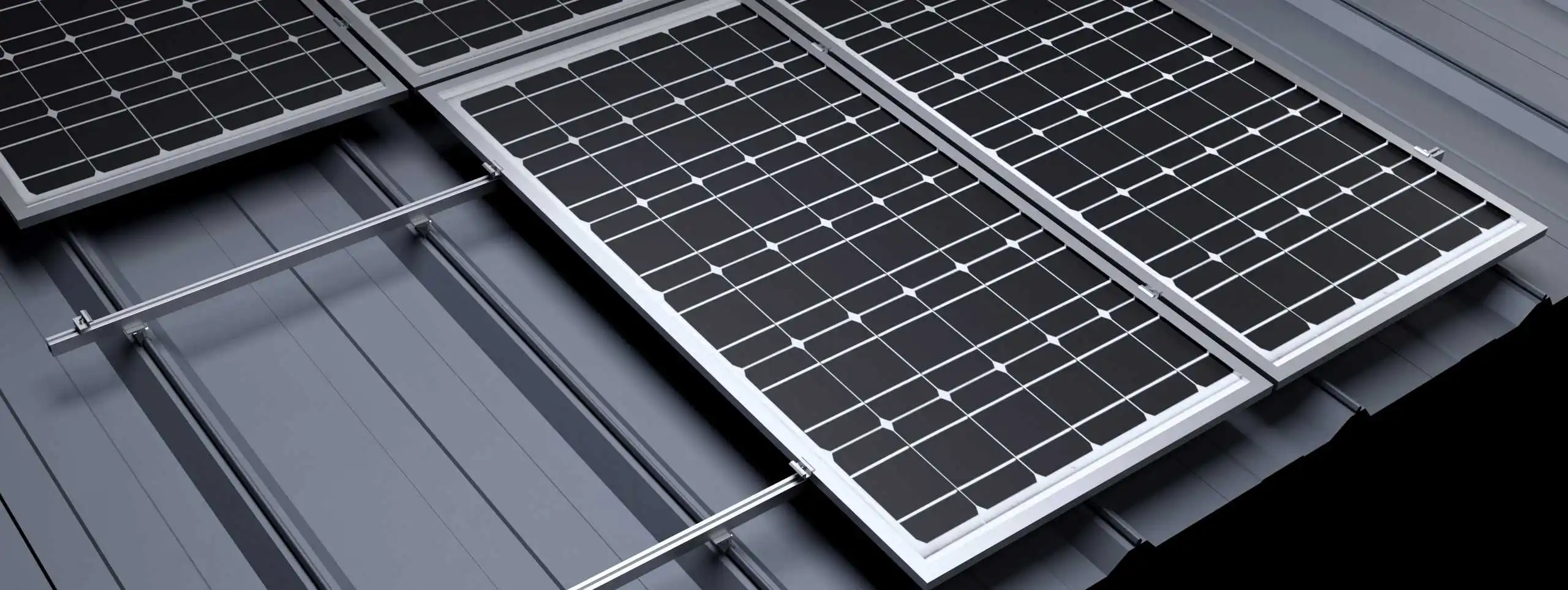
· SkyRoof for residential and commercial rooftops
· SkyLand for ground-mounted solar farms
· SkyTracker for performance-optimized installations
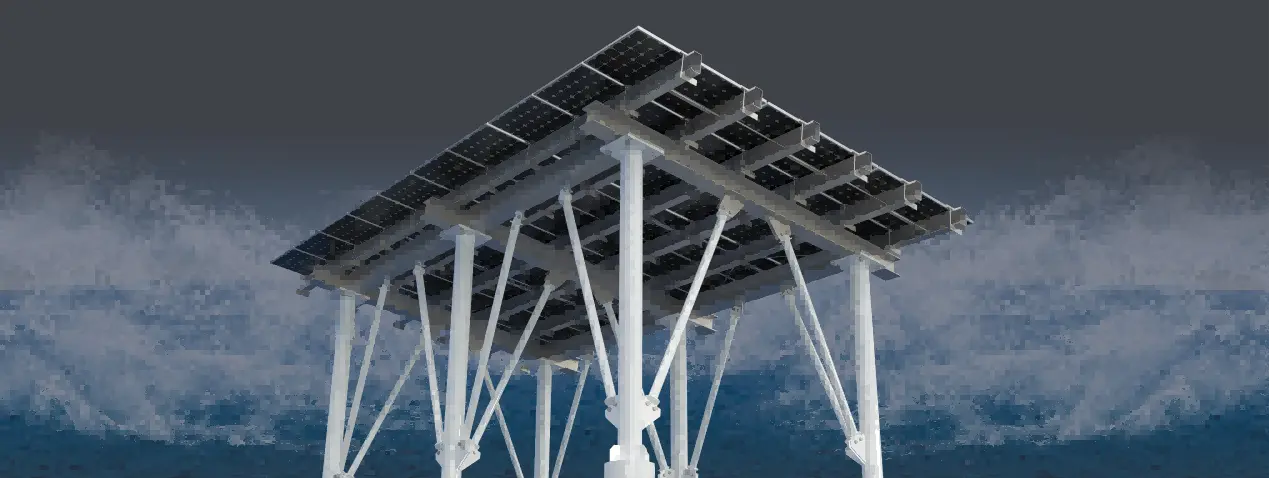
· SkyWaves for offshore and high-corrosion environments
For rooftop applications, flat roof mounting system for solar panels solutions are essential in commercial and industrial buildings where structural balance and waterproof protection must be carefully maintained.
In contrast, fixed tilt ground mount solar systems are widely used for stable and cost-effective utility-scale projects.
Advanced configurations such as horizontal solar tracker systems further enhance energy yield by adjusting panel orientation throughout the day.
Evaluating solar racking manufacturers requires a structured engineering and procurement approach rather than a cost-only comparison. EPC contractors must assess certification compliance, structural capability, durability, customization, and long-term service support. A reliable manufacturer should demonstrate both technical strength and proven project experience. CNTsun’s integrated portfolio—including SkyRoof, SkyLand, SkyTracker, and SkyWaves—represents a multi-scenario engineering approach designed to support diverse global solar applications.
1. What is the most important factor when choosing solar racking companies?
Engineering capability and certification compliance are the most critical factors, as they directly affect system safety and performance.
2. Why are certifications like TÜV and UL important?
They verify product safety, structural reliability, and compliance with international market regulations.
3. Do all solar racking systems require customization?
Not always, but complex terrains, offshore environments, and large-scale projects often require customized designs.
4. What is the difference between rooftop and ground-mounted systems?
Rooftop systems use building structures, while ground-mounted systems require dedicated foundations and offer greater flexibility.
5. How long do solar racking systems typically last?
Most high-quality systems are designed for 20–30 years depending on material and environmental conditions.
1. U.S. Department of Energy – Solar Energy Technologies Office
https://www.energy.gov/eere/solar/solar-energy-technologies-office
2. National Renewable Energy Laboratory (NREL) – Solar Research
https://www.nrel.gov/solar/
3. International Energy Agency (IEA) – Solar PV Report
https://www.iea.org/reports/solar-pv
4. Wikipedia – Photovoltaic Mounting System
https://en.wikipedia.org/wiki/Photovoltaic_mounting_system
5. Wikipedia – Solar Tracker
https://en.wikipedia.org/wiki/Solar_tracker

 CN
CN JP
JP