-

-
-
En
-

Selecting the right solar panel mounting rack is one of the most critical decisions in any photovoltaic project. While solar modules often receive most of the attention, the mounting structure ultimately determines system safety, durability, and long-term energy performance.
According to the U.S. Department of Energy, system design and installation quality can significantly impact lifetime solar energy output and maintenance costs. This makes mounting system selection a key factor in return on investment (ROI), especially for residential, commercial, and utility-scale projects.
In 2026, solar installations are no longer standardized. Projects vary widely in terrain, structural conditions, climate exposure, and energy goals. Therefore, choosing the right mounting rack requires a structured evaluation rather than a one-size-fits-all approach.
The first step in selecting a solar mounting rack is understanding project scale. Residential rooftops, commercial buildings, and utility-scale solar farms each require different structural designs and load capacities.
Project Type | System Requirement | Typical Structure |
Residential | Lightweight, roof-compatible | Roof-mounted racks |
Commercial | Scalable and modular | Ground or roof hybrid |
Utility-scale | High durability & efficiency | Ground or tracking systems |
Offshore | Corrosion-resistant design | Marine-grade structures |
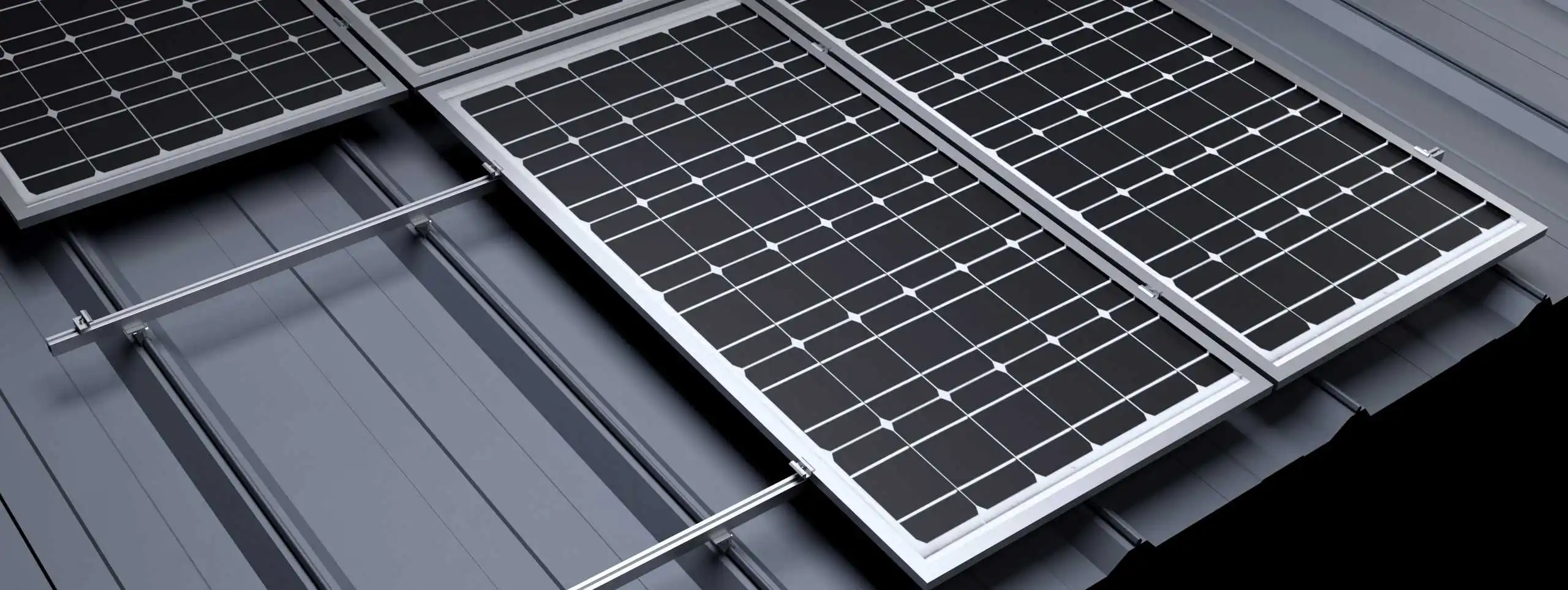
For residential applications, rooftop solar mounting systems are often preferred due to their ability to utilize existing space without land requirements. CNTsun’s SkyRoof system is designed specifically for this purpose, ensuring structural stability while minimizing roof penetration.
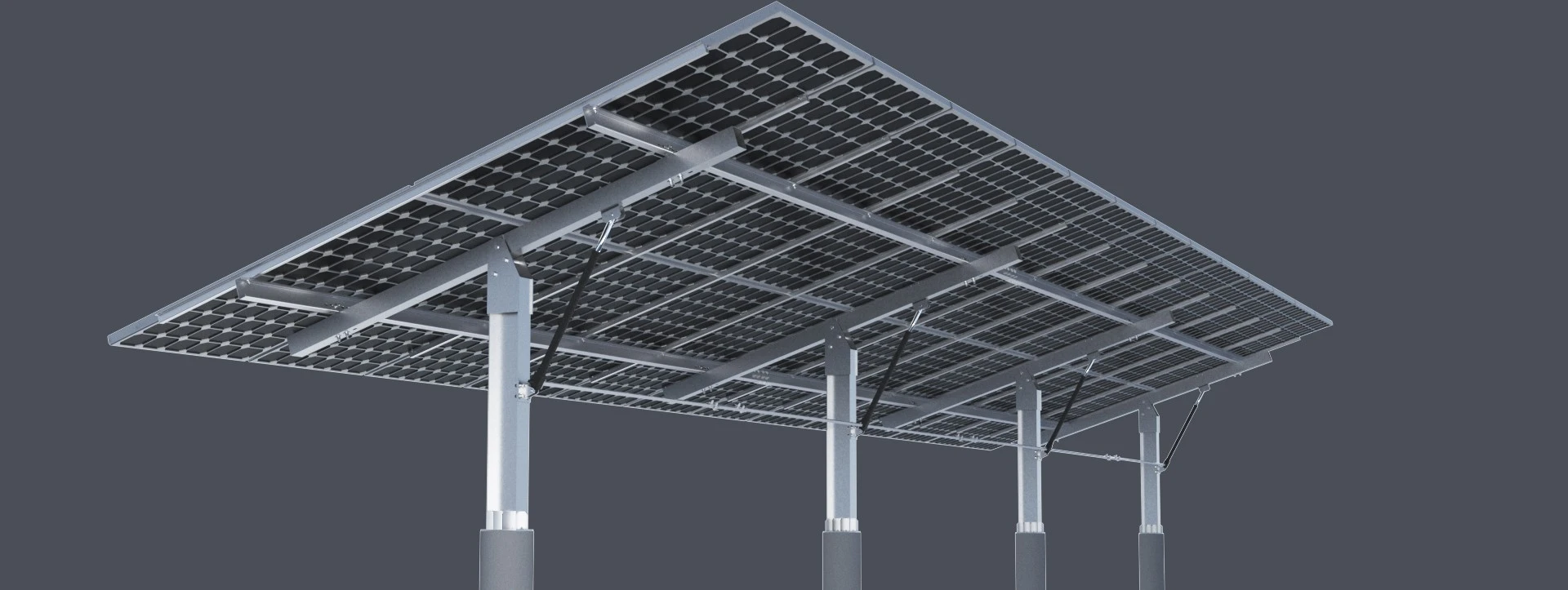
For larger-scale installations, ground-based solutions such as SkyLand provide greater flexibility and expansion potential.
Site conditions play a decisive role in determining which mounting system is appropriate. Key factors include roof type, soil composition, terrain slope, and structural load capacity.
A flat roof, for example, requires a different mounting approach than a pitched roof. Similarly, ground-mounted systems depend heavily on soil stability and foundation engineering.
Condition | Consideration | Recommended System |
Flat roof | Drainage + load distribution | SkyRoof |
Pitched roof | Angle limitation | SkyRoof |
Flat land | Foundation stability | SkyLand |
Uneven terrain | Adjustable structure | SkyLand / Tracking system |
Proper site assessment ensures system safety and prevents long-term structural issues such as load imbalance or water leakage in rooftop installations.
Environmental conditions significantly affect mounting rack durability and system lifespan. Wind load, snow load, humidity, and salt corrosion are critical engineering considerations.
According to the National Renewable Energy Laboratory (NREL), extreme weather conditions are among the primary factors influencing solar system design standards in different regions.
Climate Factor | Impact | Engineering Requirement |
High wind zones | Structural stress | Reinforced frames |
Snow regions | Load accumulation | High-load capacity racks |
Coastal areas | Corrosion risk | Anti-corrosion materials |
Hot climates | Thermal expansion | Ventilation design |
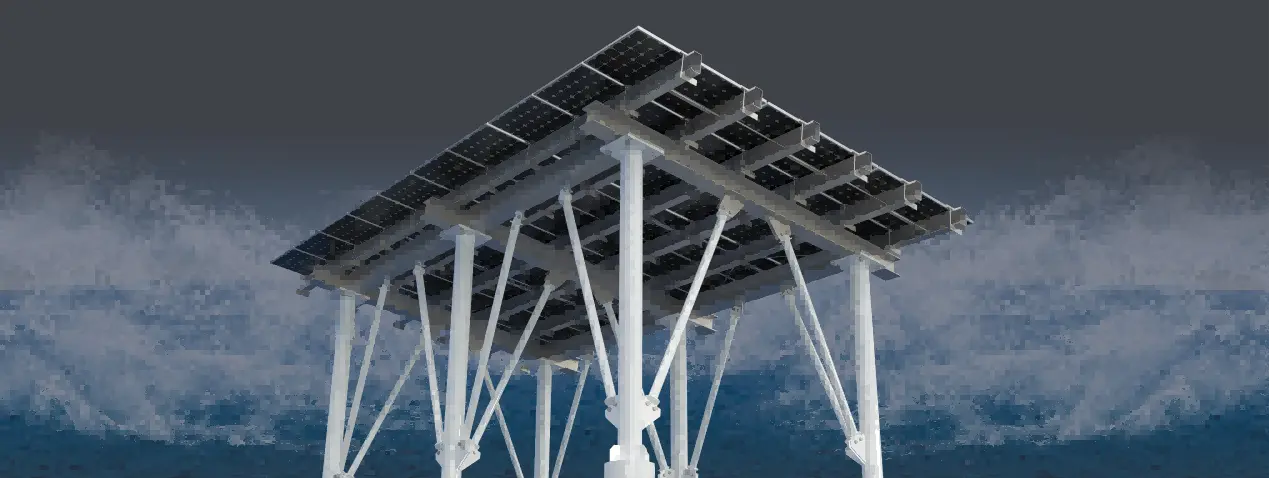
For offshore environments, corrosion resistance becomes even more critical. CNTsun’s SkyWaves system is designed specifically for marine conditions, addressing saltwater exposure and long-term structural degradation risks.
Energy performance expectations should directly influence mounting system selection. Fixed systems provide stable output, while tracking systems can significantly improve efficiency.
In many real-world applications, solar tracking systems can increase energy generation by 10% to 25%, depending on location and system configuration (NREL).
A tracking-based solution such as SkyTracker allows solar panels to follow the sun’s movement, improving irradiation exposure throughout the day. This makes it particularly suitable for utility-scale projects where maximizing energy yield is the primary goal.
Fixed systems, while less complex, remain widely used due to their lower maintenance requirements and stable long-term performance.
Cost is often the deciding factor in mounting system selection, but it should be evaluated in terms of total lifecycle value rather than upfront investment alone.
Cost Factor | Roof System | Ground System | Tracking System |
Initial CAPEX | Low | Medium | High |
Maintenance Cost | Medium | Low | Medium |
Energy Yield | Medium | High | Very High |
ROI Timeline | Moderate | Strong | Strongest (long-term) |
While rooftop systems typically require lower initial investment, ground and tracking systems often deliver higher long-term energy output and improved ROI due to better optimization conditions.
Different mounting rack types serve different structural and operational needs.
Ground-mounted systems often rely on engineered steel or aluminum structures designed to support long-term outdoor exposure. In large-scale procurement, many EPC contractors evaluate different solar ground mount manufacturers based on structural reliability, corrosion resistance, and installation flexibility.
Rooftop systems use lightweight mounting frameworks that distribute loads across roof surfaces while minimizing structural penetration. This is especially important for flat or low-slope buildings where rooftop solar mounting systems must ensure both waterproofing safety and mechanical stability.
CNTsun provides four integrated solutions across different use cases:
· SkyRoof: rooftop mounting optimized for residential and commercial buildings
· SkyLand: ground-mounted system designed for scalable solar farms
· SkyTracker: dynamic tracking system for enhanced energy yield
· SkyWaves: offshore and high-corrosion environment solution
To simplify selection, the following decision matrix summarizes system selection logic:
Priority | Recommended System |
Lowest installation cost | SkyRoof |
Maximum space utilization | SkyLand |
Highest energy efficiency | SkyTracker |
Harsh offshore environment | SkyWaves |
Balanced residential solution | SkyRoof or SkyLand |
This structured approach helps align technical requirements with project goals more effectively than purely cost-based decisions.
Selecting a solar panel mounting rack requires a balanced evaluation of site conditions, project scale, environmental factors, and long-term energy goals. Rooftop systems offer space efficiency and lower installation complexity, while ground-mounted and tracking systems provide higher energy output and scalability. Offshore systems address specialized environmental challenges. The optimal choice depends on matching system engineering with project-specific requirements rather than relying on a universal solution.
1. How do I choose the right solar mounting rack for my project?
You should evaluate site conditions, climate load, budget, and energy output goals before selecting a system.
2. Are ground-mounted systems better than rooftop systems?
Not always. Ground systems offer higher efficiency, but rooftop systems are more space-efficient and cost-effective.
3. Do tracking systems increase solar efficiency?
Yes. Studies show solar tracking systems can improve energy output by approximately 10%–25% depending on conditions.
4. What is the most durable mounting system for harsh environments?
Corrosion-resistant offshore-grade systems are best suited for marine or high-salinity environments.
5. Can I upgrade my mounting system later?
In some cases yes, but system compatibility and structural design must be evaluated beforehand.
1. U.S. Department of Energy – Solar Energy Technologies Office
https://www.energy.gov/eere/solar/solar-energy-technologies-office
2. National Renewable Energy Laboratory (NREL) – Solar Research
https://www.nrel.gov/solar/
3. International Energy Agency (IEA) – Solar PV Systems Report
https://www.iea.org/reports/solar-pv
4. Wikipedia – Photovoltaic Mounting System
https://en.wikipedia.org/wiki/Photovoltaic_mounting_system
5. Wikipedia – Solar Tracker
https://en.wikipedia.org/wiki/Solar_tracker

 CN
CN JP
JP