-

-
-
En
-

In solar photovoltaic (PV) systems, adjustable solar rackings and fixed solar brackets are two common structural supports. They have significant differences in several aspects, and this article will analyze the differences between adjustable and fixed solar brackets in detail.
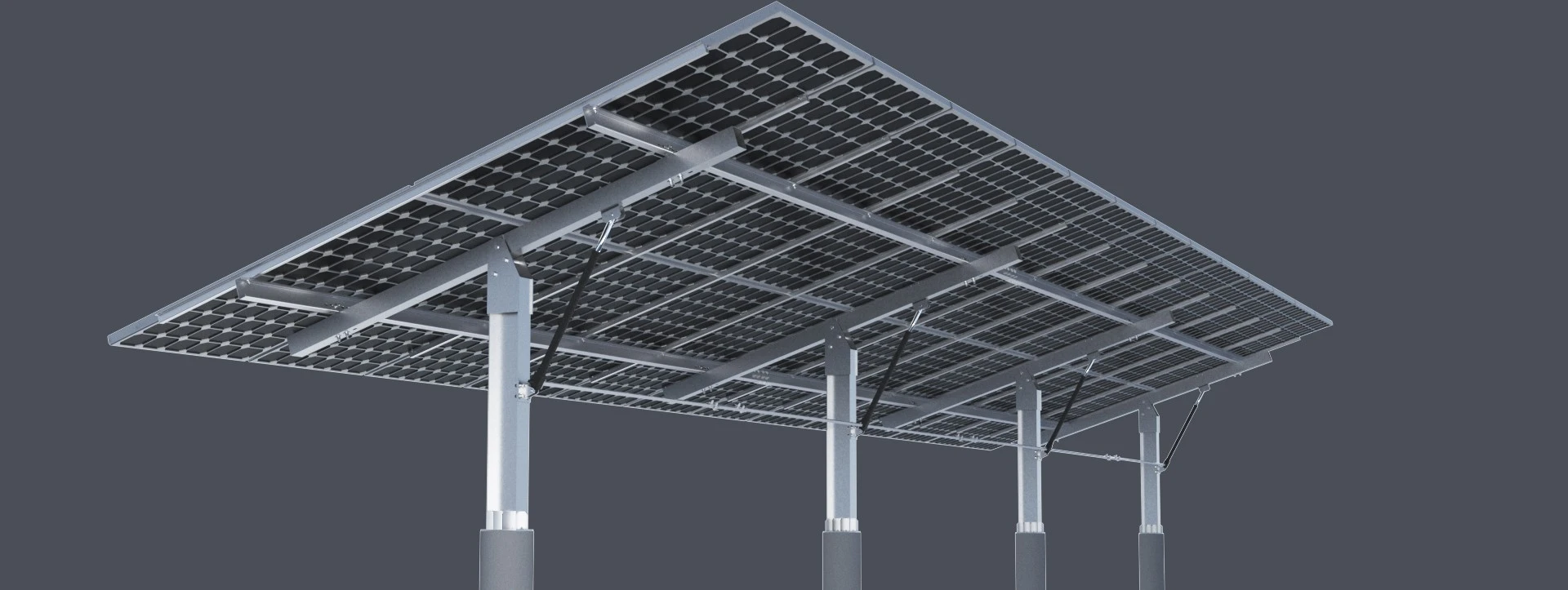
These have relatively complex structures that include adjustable components and mechanical devices. Adjustable solar rackings can change the angle of the PV panels according to the sun's position, ensuring that the PV components always face the optimal solar radiation direction. This adjustability allows them to adapt to different seasons and weather conditions.
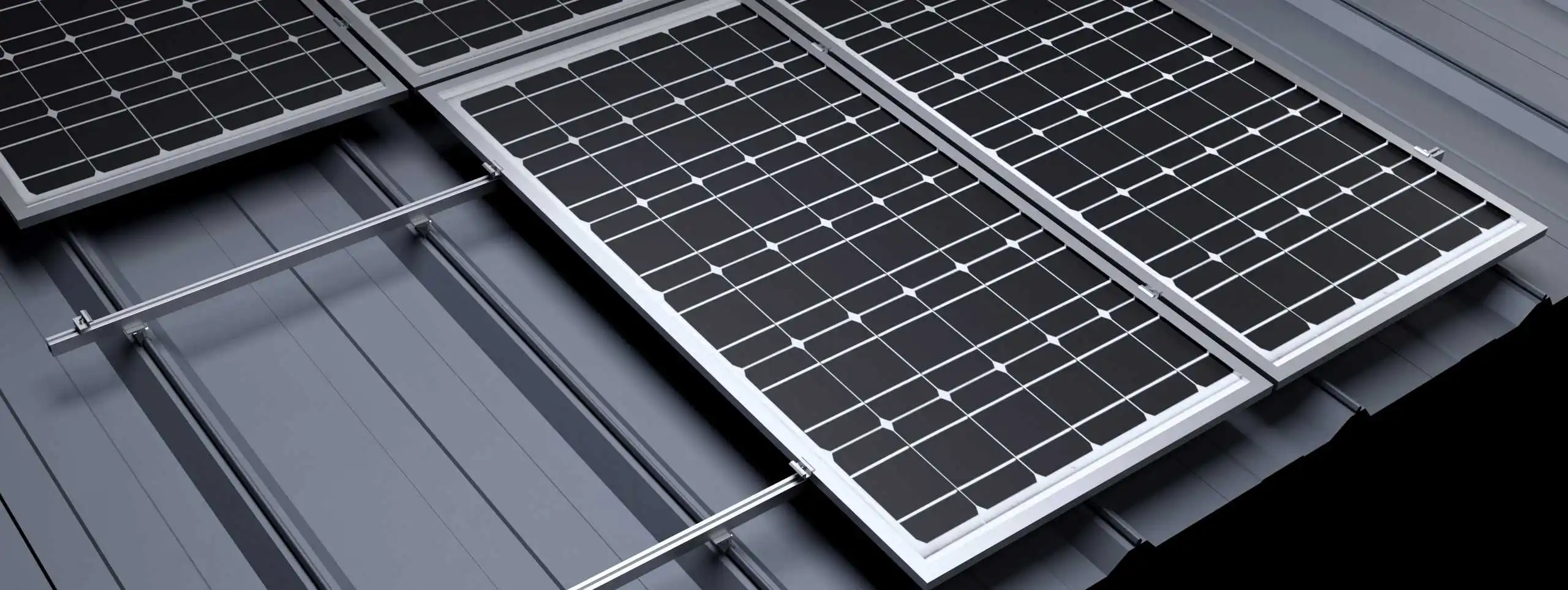
These have simpler structures, usually made from sturdy metal materials, and the PV components are fixed on the bracket without the ability to adjust angles. The design of the fixed bracket is more straightforward, typically installing the PV panels at a preset tilt angle.
These brackets are particularly suitable for areas where sunlight conditions vary significantly or for scenarios with high demands for power generation. For instance, in regions with significant seasonal changes, adjusting the PV panel angles can ensure that the panels receive the maximum sunlight, thereby improving power generation efficiency. They are ideal for projects that require flexible adjustments based on the solar radiation angle.
These are suitable for areas with stable sunlight conditions where angle adjustments are not needed. For example, near the equator or in areas with relatively uniform sunlight conditions, fixed solar brackets can meet the power generation needs of the PV system without frequent adjustments to the PV panel angles.
The initial investment is relatively high because they include complex adjustment structures and advanced manufacturing technologies. Additionally, since regular inspections and adjustments of the PV panel angles are necessary, the maintenance costs are also relatively high. In the long run, although the initial cost is high, they can optimize the angle to improve power generation efficiency, resulting in higher returns in specific environments.
The initial investment is relatively low due to their simple structure and ease of manufacture. Moreover, fixed brackets do not require frequent adjustments of the PV panel angles, resulting in lower maintenance costs. However, since the angles of the PV panels cannot be adjusted, fixed brackets may find it difficult to maximize power generation efficiency under varying sunlight conditions.
By adjusting the PV panel angles based on the sun's position and seasonal changes, adjustable solar rackings can maximize the absorption of solar radiation. Therefore, in areas with complex sunlight conditions or significant seasonal changes, using adjustable solar rackings can significantly improve power generation efficiency.
Since the angles of the PV panels are fixed and cannot be adjusted according to the sun's position, in areas with stable sunlight conditions, the power generation efficiency of fixed solar brackets is comparable to that of adjustable brackets. However, in areas with varying sunlight conditions, the efficiency of fixed brackets may be affected, falling below the levels of adjustable brackets.
They offer high flexibility and adaptability, allowing adjustments to the PV panel angles based on different installation needs, making them suitable for areas with varying sunlight conditions. Whether in regions with significant seasonal changes or under different climate conditions, they ensure that the solar panels are at the optimal working angle, maximizing power generation.
They have limited applicability, mainly suitable for areas with stable sunlight conditions that do not require angle adjustments. Once installed, the angles of the PV panels cannot be adjusted, resulting in lower flexibility and adaptability.
Adjustable solar rackings and fixed solar brackets have significant differences in terms of structure, use cases, cost, maintenance, power generation efficiency, and applicability. Choosing the appropriate bracket system requires a comprehensive consideration of the project's geographic location, sunlight conditions, cost budget, and power generation goals. If the sunlight conditions are complex and variable, and there are strict requirements for power generation, adjustable solar rackings are the better choice. For areas with stable sunlight conditions, fixed solar brackets are a more economical option.

 CN
CN JP
JP