-

-
-
En
-

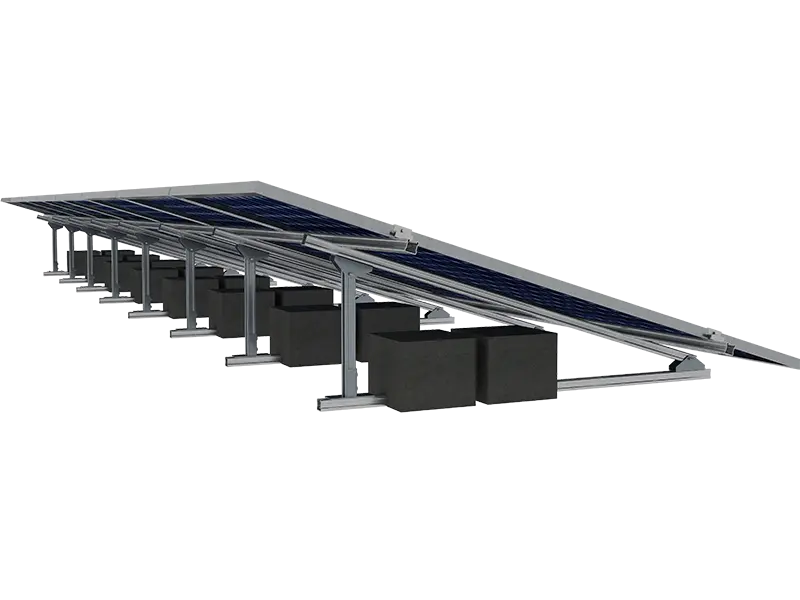

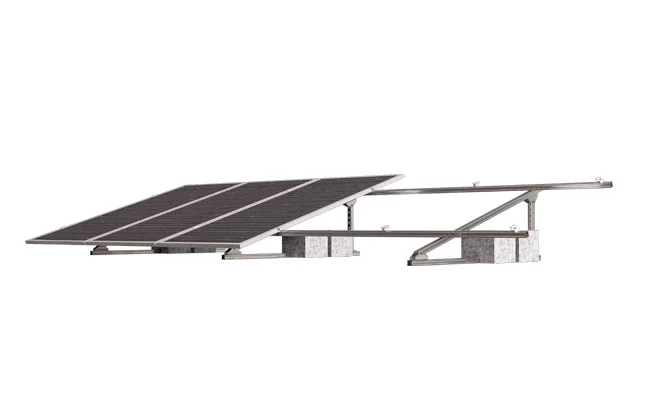
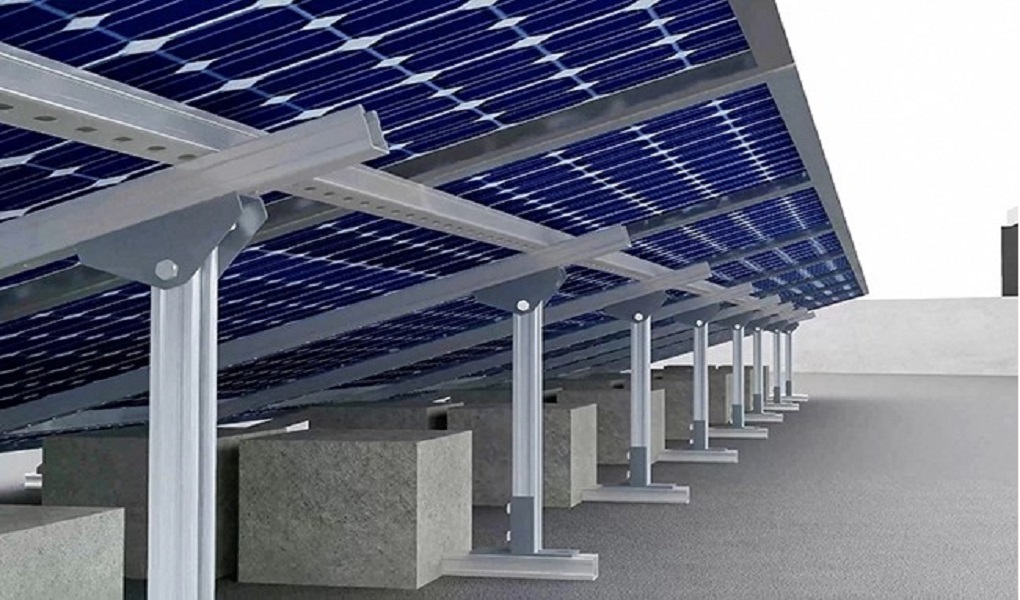
No roof penetrations required, the flat roof ballast solar panel mounting system preserves waterproofing and roof integrity. This design enhances safety by eliminating leak risks and maintaining structural integrity.

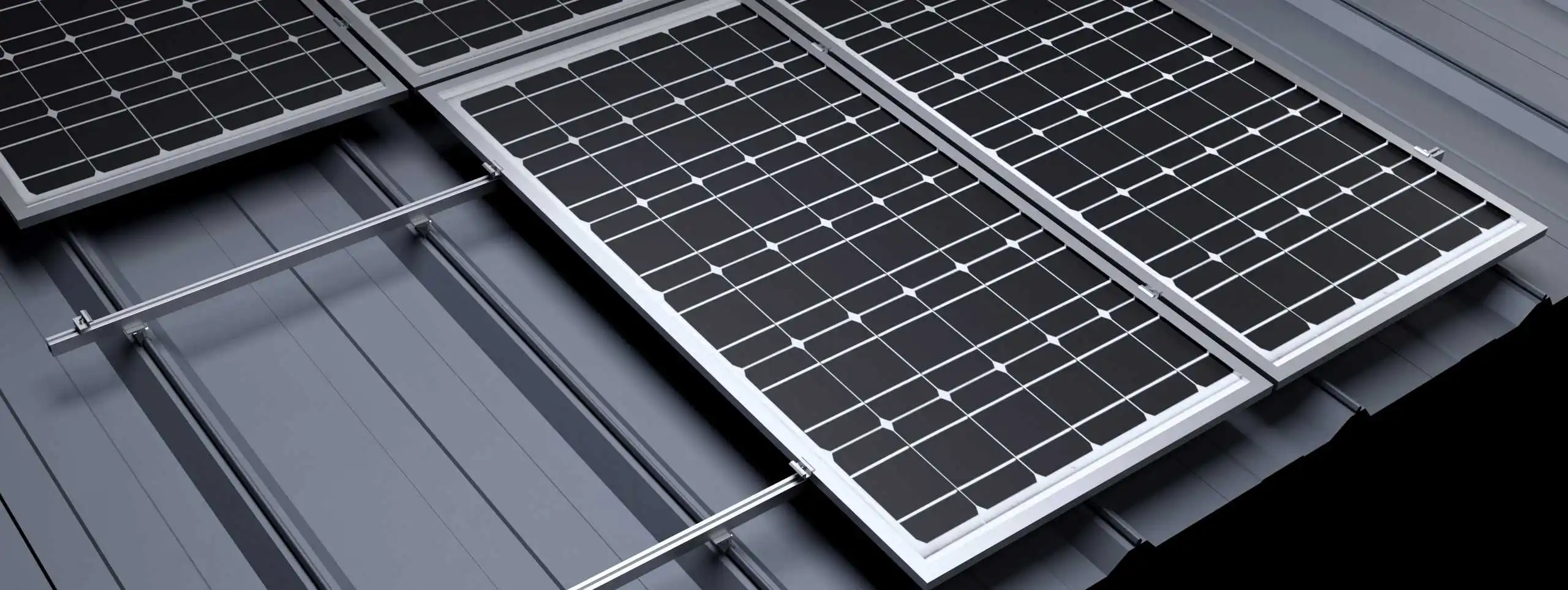
Accommodating most commercial areas and diverse roof types, the pre-assembly ballasted solar racking system can be connected easily with the rail to mount the framed solar panels without prior training or staging, which means lower installation costs and higher flexibility.

Our ballasted roof mount racking is engineered to deliver superior wind resistance without roof penetration, using strategically placed weights to ensure stability even in high-wind zones. The ballasted roof mount solar racking design minimizes turbulence and uplift risks, making it ideal for commercial and industrial rooftops.

The solar panel ballast mounting system features tool-less adjustments and quick-release clamps, allowing technicians to access panels efficiently. The modular design of our ballasted solar mounting systems streamlines both installation and long-term servicing, reducing downtime and maximizing system uptime.
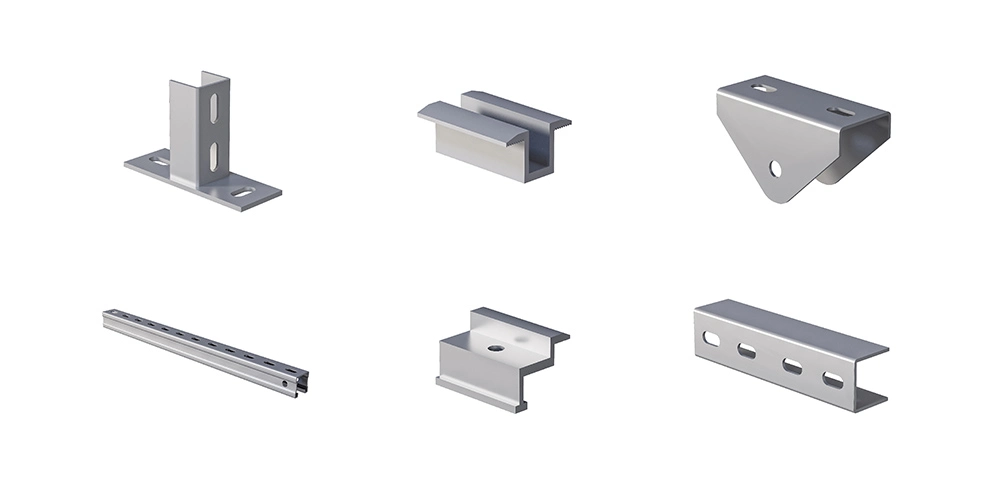
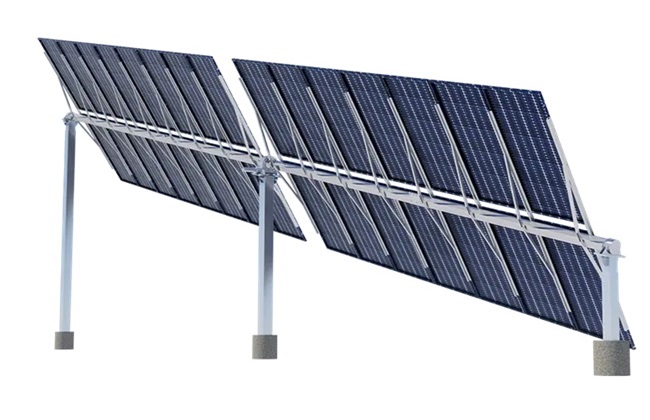
Framed PV modules, frameless PV modules
Economical installation for commercial or residential flat roofs and open areas
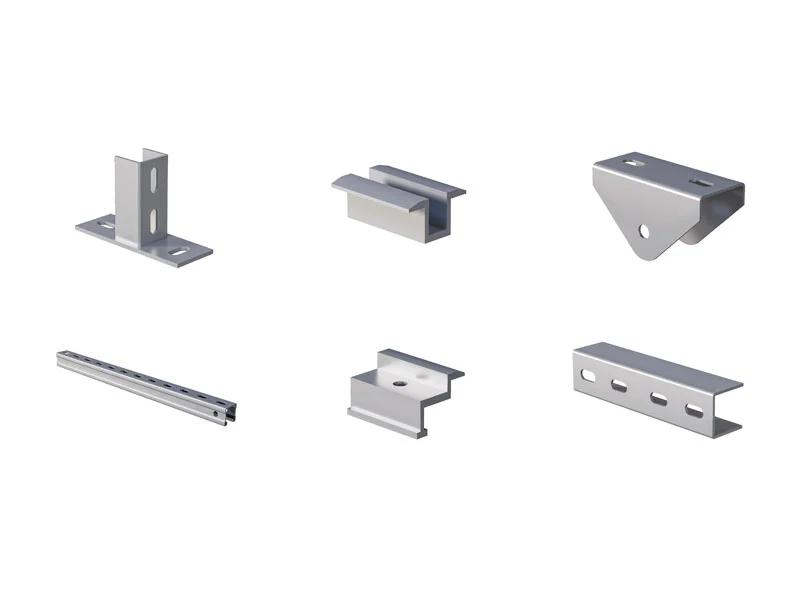
Poles, inclined beams, purlins, slant support, etc.
Baise Project
Materials: Carbon steel mountings
Service life: 25 years
Maximum wind load: 1kN/m²
Maximum snow load: 1kN/m²
Foundation type: Cement pier+bolt
Angle: 15~30°
Coating: Hot-dip galvanizing treatment
| Materials | hot-dip galvanizing, Magnesium Aluminum Zinc Alloy, aluminum alloy |
| Installation Site | Flat Roof |
| Service life | 25 years |
| Maximum wind load | 40m/s |
| Maximum snow load | 1.4KN/m2 |
| Foundation type | Ballast Blocks + Anchor Bolts |
| Angle | 10°-60° |
| Coating | hot-dip galvanizing、Magnesium Aluminum Zinc Alloy、Anodizing |
Flat ballasted solar racking systems are a secure, non-penetrating mounting solution. Instead of attaching to the roof structure, they use weighted concrete blocks (ballast) to hold the solar array firmly in place. Key features include:
1.Built for Tough Conditions: Engineered to withstand heavy snow, ice, and high winds while fully complying with building codes.
2.Expertly Engineered: Our engineers calculate the precise ballast layout and structure to safely distribute weight across your specific roof, protecting its integrity based on its shape, size, and slope.
3.The Proven Choice: As the leading solution for over 10 years, ballast systems have revolutionized flat-roof solar installations.
4.Universal Roof Compatibility: Works on virtually any flat roof surface – concrete, bitumen, membrane (foil), green roofs, gravel, or trapezoidal metal.
5.Design Flexibility: Accommodates both standard and bifacial (double-sided) panels, with tilt angles adjustable from 0° to 45°.
6.Fast & Simple Installation: Pre-assembled components and minimal connections (only three screws per module row) mean significantly faster setup with less effort.
1. Simplified Installation: Eliminates roof penetrations, removing the need for sealing work and roofing contractors. Many systems are plug-and-play, slashing installation time.
2.Enhanced Aesthetics: Strategically placed ballast creates a clean, uniform appearance on flat roofs, especially when visible. This complements the building's architecture and presents solar as a modern, attractive solution.
3.Speed & Efficiency: Features like pre-assembled rails, minimal connections, and few screws enable quick, easy assembly on any roof covering, optimizing costs.
1.Unpack & Layout: Unpack the pre-assembled racking components and position them on the roof according to the layout plan.
2.Assemble the Base: Configure the rails and bracing to form the base structure. Position the ballast brackets where required.
3.Install Panels: Secure the solar panels onto the assembled racking structure.
4.Add Ballast: Place the concrete ballast blocks into the designated ballast brackets to weigh down the system.

 CN
CN JP
JP