-

-
-
En
-


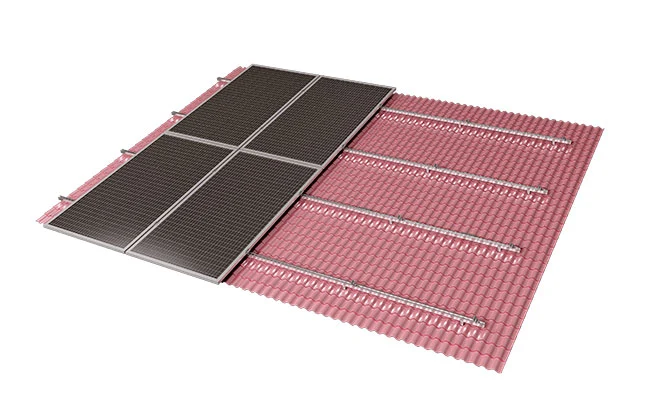
With on-site installation adjustments, this system allows for precise positioning of solar panels to capture the maximum amount of solar energy, effectively avoiding shadows and enhancing overall performance.

With a minimal number of components, the system reduces labor and time costs, ensuring a swift, straightforward, and secure installation process.
Framed PV modules, frameless PV modules
Commercial, industrial and residential roofs
Aluminum rails
Yunzhou Project in Datong
Materials: Aluminium Alloy
Service life: 25 years
Maximum wind load: 0.8kN/m²
Maximum snow load: 0.8kN/m²
Foundation type: Roof Hooks + rail
Angle: In line with the slope of the roof or customized
Coating: Surface anodized
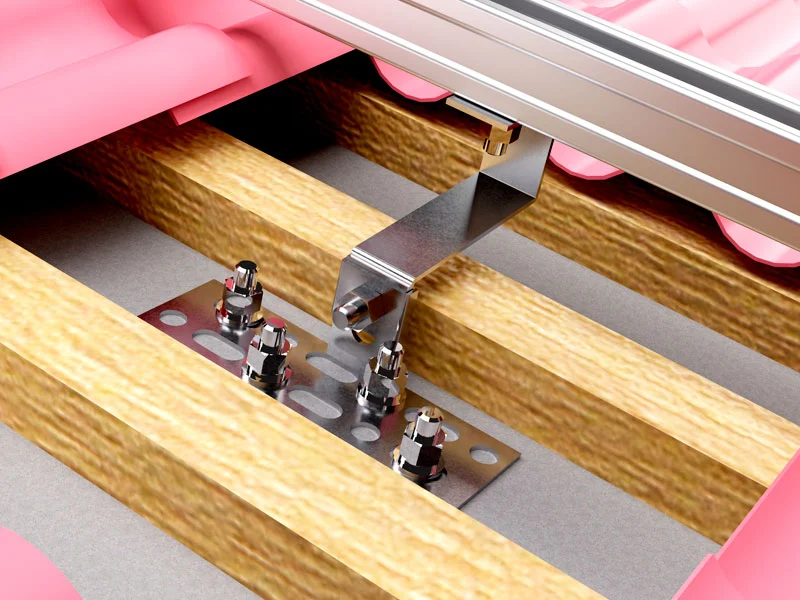
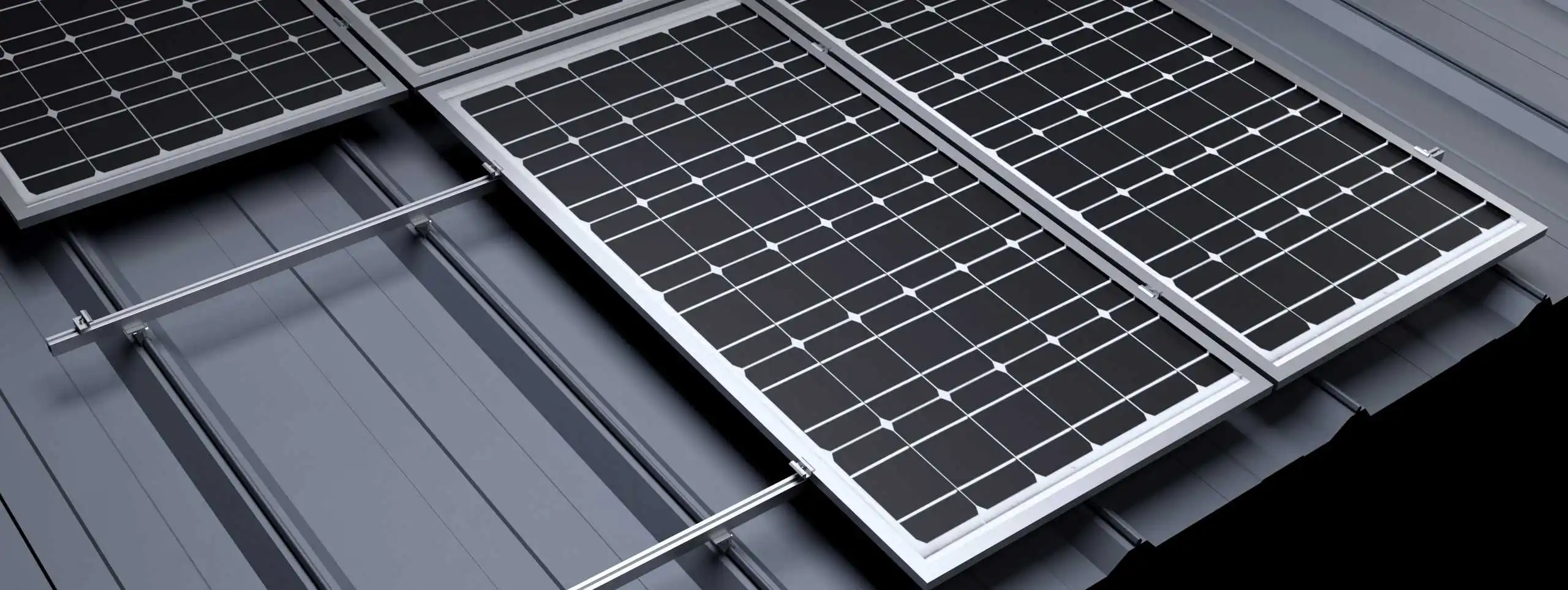
A tile hook solar mounting system is a complete rooftop PV mounting solution that uses solar tile roof hooks to connect aluminum mounting rails and solar modules to the supporting roof structure. The complete system is designed around the roof attachment, rail arrangement, module clamps and fastening components required for the confirmed roof and PV module layout. The adjustable hook design helps installers accommodate variations in tile height, roof surface and attachment position.
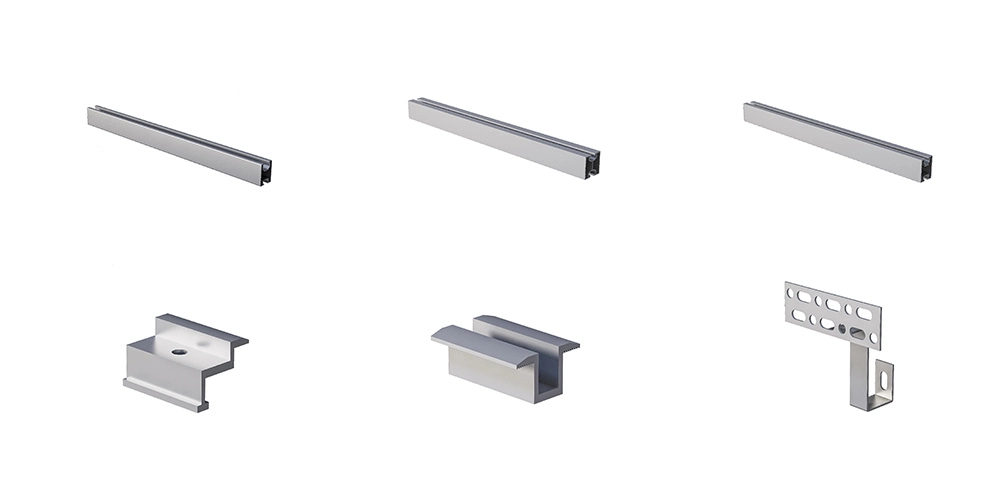
A typical tile hook solar mounting system may include:
Adjustable solar roof hooks
Aluminum mounting rails
Rail connectors
Mid clamps and end clamps
Stainless steel fasteners
Grounding components
Optional cable management accessories
The correct solar panel tile roof hook should be selected according to:
Tile profile and dimensions
Roof pitch
Rafter or batten position
Required hook adjustment range
Rail clearance
Solar module dimensions
Wind and snow load requirements
Applicable building standards
Roof photographs, tile measurements and structural information should be provided before the final solar tile hook model is confirmed.
A properly configured solar tile roof hook transfers the PV system load to the supporting roof structure rather than directly onto the roof tiles. Adequate clearance should be maintained between the hook and the tile, and the mounting rails should be correctly aligned to avoid unnecessary pressure on individual tiles. Existing roof tiles and the supporting structure should also be inspected before installation.

 CN
CN JP
JP